
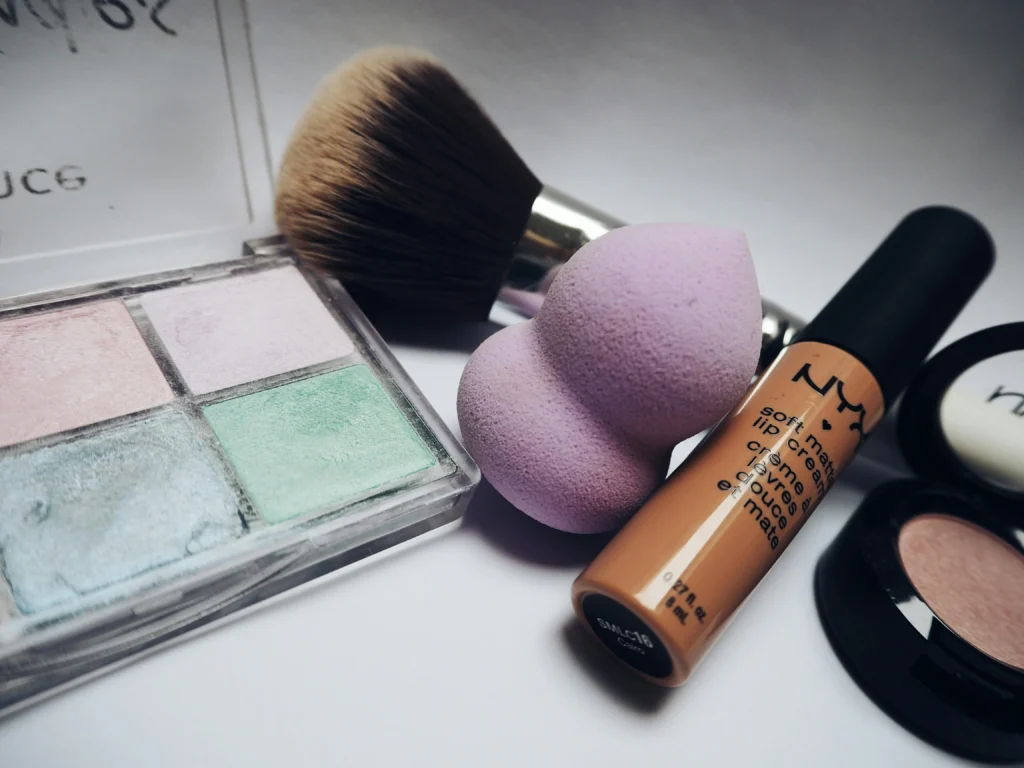
Learning how to do your makeup can feel overwhelming with so many products and techniques out there. But the truth is, great makeup does not require expensive tools or years of experience. It just requires knowing the basics.
This complete beginner’s guide will walk you through every step of a basic makeup routine — from prep to finish — with tips that actually work.
What You Need Before You Start
Before applying any makeup, gather these essentials:
- Primer
- Foundation or BB cream
- Concealer
- Setting powder
- Blush and bronzer
- Eyeshadow palette (neutral tones for beginners)
- Mascara and eyeliner
- Lip color
- Setting spray
- Brushes: foundation brush or beauty sponge, blush brush, eyeshadow brush
Step 1: Prep Your Skin
Never apply makeup on unwashed skin. Start with a clean, moisturized face. Apply your regular moisturizer and let it absorb for 2–3 minutes. This creates a smooth base and makes your makeup last longer.
Step 2: Apply Primer
Primer is applied after moisturizer and before foundation. It fills in pores and fine lines, helps foundation glide on smoothly, and extends how long your makeup stays on. Apply a pea-sized amount all over your face and blend it in.
Tip: Use a green-tinted primer if you have redness, or a brightening primer for a dewy look.
Step 3: Foundation
Foundation is the base of your makeup look. For beginners, a lightweight BB cream or tinted moisturizer is easier to work with than a full-coverage foundation.
How to apply: Dot the foundation on your forehead, cheeks, nose, and chin. Blend it outward using a damp beauty sponge or foundation brush. Always blend down your neck to avoid a stark line.
Match your shade: Test foundation on your jawline, not your wrist, to find the right shade.
Step 4: Concealer
Concealer is used to hide dark circles, blemishes, and redness. Apply it after foundation for better coverage. Use one shade lighter than your foundation under the eyes, and the same shade as your foundation on blemishes.
Blend with your finger or a small brush in tapping motions — never rub, as this removes coverage.
Step 5: Set with Powder
Setting powder locks your foundation and concealer in place and controls shine. Apply a light dusting with a fluffy brush, focusing on the T-zone (forehead, nose, chin). Use translucent powder if you want to preserve a natural look.
Step 6: Bronzer and Blush
This step adds dimension and color to your face:
- Bronzer: Apply to the temples, sides of the nose, and jawline to add warmth and definition
- Blush: Smile and apply to the apples of your cheeks, blending upward toward the temples
For beginners: use a peachy-pink blush and a light brown bronzer for a natural, everyday look.
Step 7: Eye Makeup
Eyes can feel intimidating for beginners. Start simple:
- Eyeshadow: Apply a matte nude shade all over the lid. Then add a slightly darker shade to the crease for depth. Blend well.
- Eyeliner: For beginners, a pencil liner is easiest. Draw along the upper lash line and smudge for a softer look.
- Mascara: Wiggle the wand at the base of your lashes and sweep upward. Apply 1–2 coats to the upper lashes.
Step 8: Eyebrows
Well-groomed brows frame your face and make a huge difference. Use a brow pencil or brow pomade to fill in any sparse areas. Follow the natural shape of your brow and use light, feathery strokes. Brush up with a spoolie (eyebrow brush) to finish.
Step 9: Lips
For everyday makeup, a tinted lip balm or nude lip gloss is perfect. For a bolder look, apply a lipstick that suits your skin tone. Use a lip liner first to prevent feathering and define the shape.
Beginner tip: A warm nude or MLBB (my lips but better) shade works on almost everyone and is the safest starting point.
Step 10: Setting Spray
Setting spray is the final step that locks everything in place. Hold the bottle 30 cm from your face and spray in an X and T motion. It gives a fresh, natural finish and extends your makeup wear throughout the day.
Common Beginner Makeup Mistakes to Avoid
- Wrong foundation shade (too light or too dark)
- Skipping primer (leads to makeup sliding off)
- Too much product (less is more with makeup)
- Not blending properly (harsh lines look unnatural)
- Sleeping with makeup on (damages skin and causes breakouts)
Final Thoughts
Makeup is a skill that takes practice. Do not be discouraged if your first attempts are not perfect — every pro was once a beginner. Start with the basics, invest in a few quality products, and experiment with your look over time.
Check out our Makeup category for more tutorials, product reviews, and tips tailored for every skill level!