
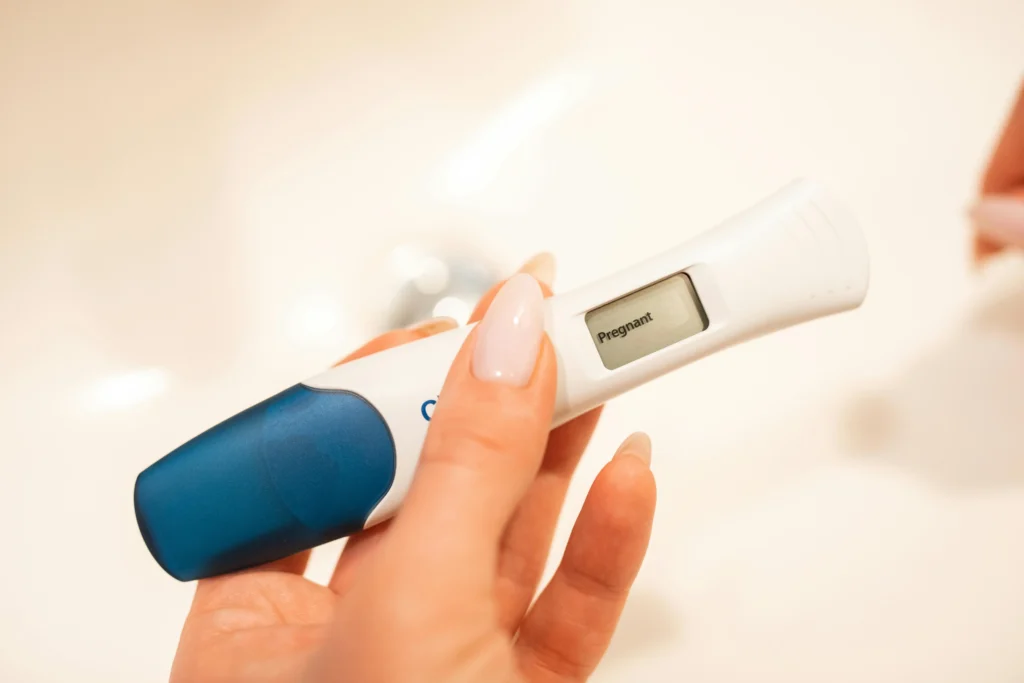
First Trimester Symptoms and What to Expect
The first trimester of pregnancy, covering weeks 1–12, is a crucial period of growth and development for your baby. It is also a time when many women experience noticeable changes in their bodies. Understanding what to expect can help you navigate these early weeks safely.
1. Morning Sickness
Nausea and vomiting, commonly called morning sickness, affects many women in the first trimester. It can occur at any time of day and is usually caused by hormonal changes.
2. Fatigue
High levels of progesterone and the energy demands of early pregnancy can leave you feeling unusually tired.
3. Breast Changes
Breasts may feel tender, swollen, or sore. The areolas may darken, and veins may become more visible due to increased blood flow.
4. Frequent Urination
Hormonal changes increase blood flow to the kidneys, resulting in more frequent trips to the bathroom.
5. Mood Swings
Hormone fluctuations can cause emotional ups and downs, irritability, or sudden tearfulness.
6. Food Cravings and Aversions
You may notice strong cravings or sudden dislikes for certain foods due to hormonal changes affecting taste and smell.
7. Mild Cramping and Spotting
Light cramping or implantation bleeding can occur as the fertilized egg attaches to the uterine lining. This is usually harmless but should be monitored.
8. Constipation and Bloating
Progesterone slows digestion, leading to bloating and constipation for some women.
9. Dizziness or Fainting
Changes in blood pressure and blood sugar levels may cause occasional dizziness. Staying hydrated and eating small frequent meals helps.
Tips for Managing First Trimester Symptoms
- Eat small, frequent meals to reduce nausea.
- Stay hydrated and rest when needed.
- Wear supportive bras and comfortable clothing.
- Practice gentle exercise and relaxation techniques.
- Consult your doctor if symptoms are severe or unusual.
Conclusion
The first trimester brings many physical and emotional changes. While some symptoms can be uncomfortable, they are usually a normal part of early pregnancy. Understanding what to expect and practicing self-care helps ensure a healthy start for you and your baby.